

If you ask someone to describe engineering, they might say something about technical work with difficult math or hours spent working independently. But for the engineers at RICK, the reality is often much more collaborative and cross-disciplinary than people might expect.
In recognition of International Women in Engineering Day on June 23rd, engineers across RICK shared perspectives on their work and reflected on some of the misconceptions and realities of the profession.
______________________________________________________________________
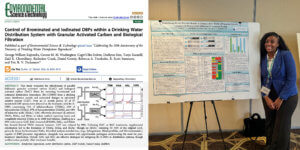 For Associate Engineering Designer Ceonie Washington, one of the biggest misconceptions she has heard about engineering is that it revolves around calculations and technical work alone.
“Many people think engineering is only about difficult math or calculations, or sitting behind a computer all day, but there is so much more to it. Engineering is really about finding solutions that improve people’s lives and help communities thrive.” —Ceonie Washington, Associate Engineering Designer
Washington earned her bachelor’s degree in biology and originally planned to become a doctor, knowing she wanted a career dedicated to helping people. As she continued her education, she realized there was more than one way to make that kind of impact, which led her to Civil and Environmental Engineering.
The engineering field gave her an opportunity to combine science with problem solving and contribute to work that improves the communities people rely on every day.
“Engineering is not always about finding the ‘perfect’ answer. It’s about finding practical, sustainable solutions that truly help people and communities.”—Ceonie Washington
___________________________________________________________________
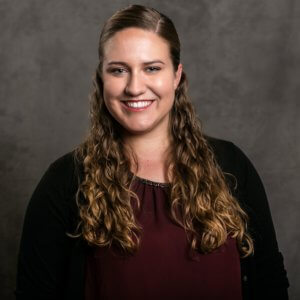 Principal Project Engineer Emily Sipes said one of the biggest misconceptions about engineering is how much of the work depends on coordination and communication across teams.
“We’re not just sitting behind a computer creating plans; we’re coordinating with clients, designers, agencies, consultants, contractors, surveyors, and more. Someone’s small change can have a big impact on another discipline, and it’s so important to have great communication to ensure a project’s success.”—Emily Sipes, Principal Project Engineer
Over time, that collaborative side of the work has become one of the parts of engineering she values most. After 11 years at RICK, Sipes said the relationships she has built and the mentors who invested in her growth have helped build her technical development and confidence as a leader.
“After 11 years at RICK, I think the biggest thing that I’ve grown to appreciate is just how important the people you work with are. I’ve been fortunate to have some wonderful mentors throughout my career that have invested in me both personally and professionally.”—Emily Sipes
____________________________________________________________________
 Associate Engineering Designer Brooke Bartlett reflected on how much of civil engineering is part of everyday life without drawing attention to itself.
“Roads, curbs, water and wastewater systems, sidewalks, drainage infrastructure . . . people use them every day without necessarily thinking about who planned, designed, and built them.” —Brooke Bartlett, Associate Engineering Designer
For Bartlett, that is part of what makes the work rewarding. The infrastructure people depend on most are often the ones they rarely have to think about.
“In many ways, the best civil engineering is invisible because it works so reliably that people never have to think about it.”—Brooke Bartlett
____________________________________________________________________
 Assistant Engineering Designer Tierra Tisby Burke said that often one of the biggest surprises for people outside the profession is what engineering work actually looks like day to day.
“People normally assume that engineers are always in the field and don’t always see that a majority of our work is done in the office. Another misconception is that after we design something we build it, which is not always the case.”—Tierra Tisby Burke, Assistant Engineering Designer
Drawing from her experience, Burke said environmental engineering can involve a wider range of work than people often expect, and she noted that there is often overlap between disciplines.
“Environmental engineers don’t only work with water and can go into construction as well.” —Tierra Tisby Burke
One of the things Burke has come to appreciate most is a full project day and the feeling that comes from seeing a project move one step closer to completion.
____________________________________________________________________
At RICK, we understand that employees are more likely to stay fulfilled in their careers when they have strong mentorship and support throughout their professional journey. Through programs like our Mentorship Program and a continued focus on collaboration across teams and disciplines, we strive to create opportunities for employees to learn from one another and grow throughout their careers.
Happy International Women in Engineering Day to all the women at RICK and throughout the engineering profession. Thank you for the work you do every day and for the difference you make in our local communities.